.jpg)

£ 15.98
The History of Window Treatments: From Curtains to Shutters.
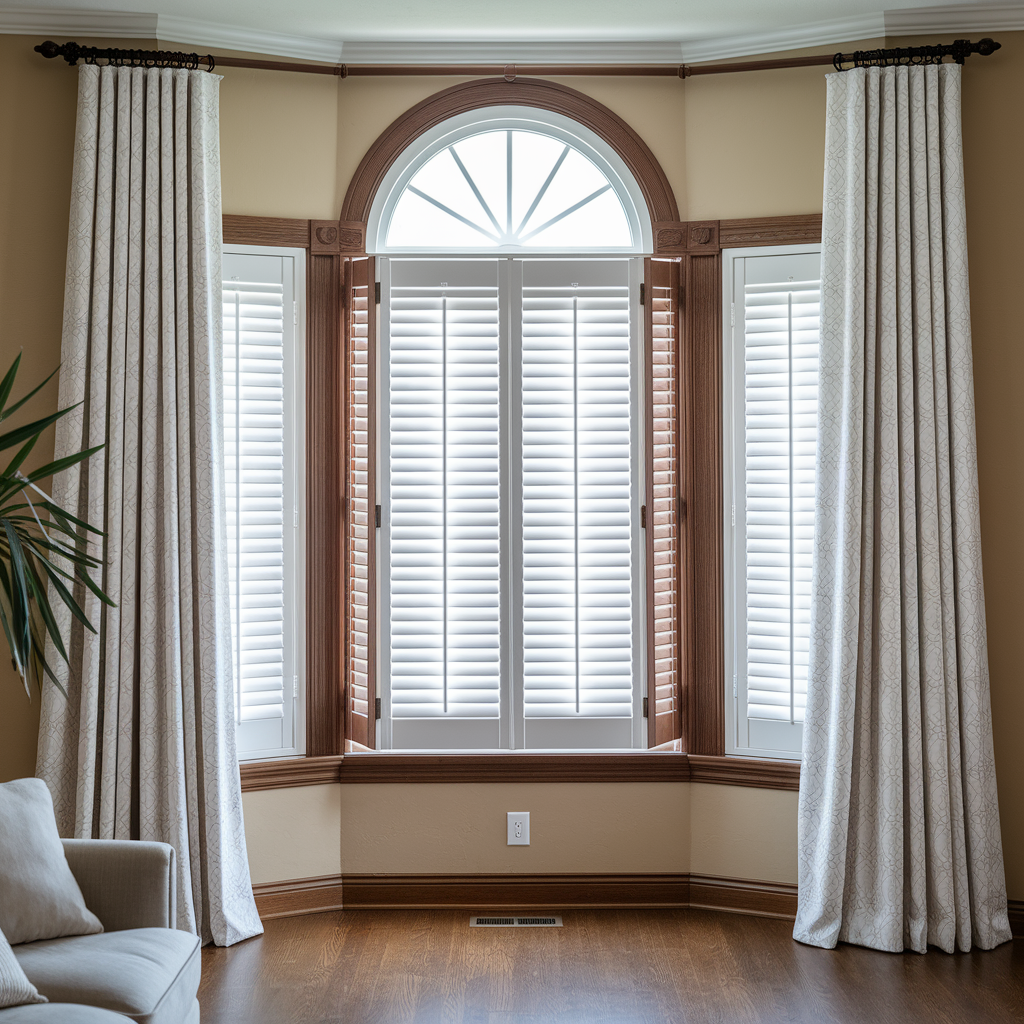
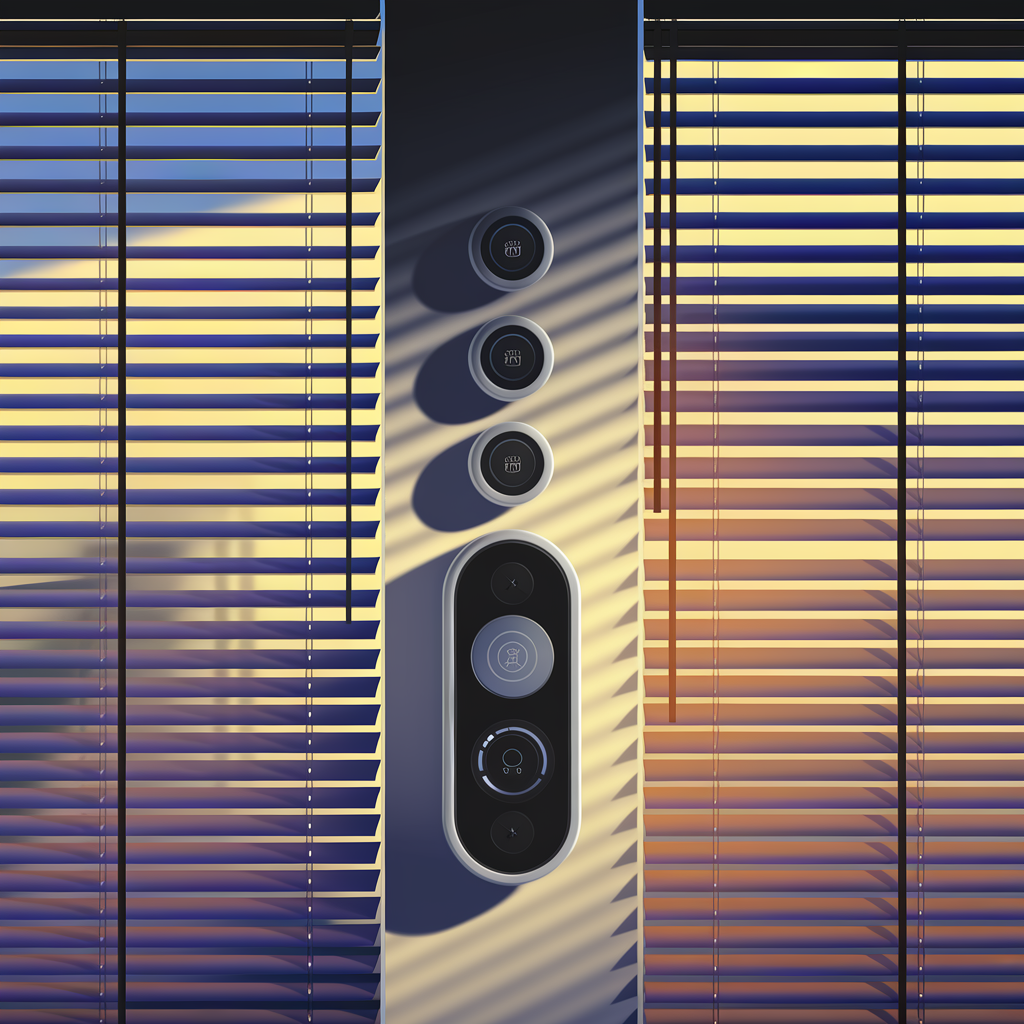
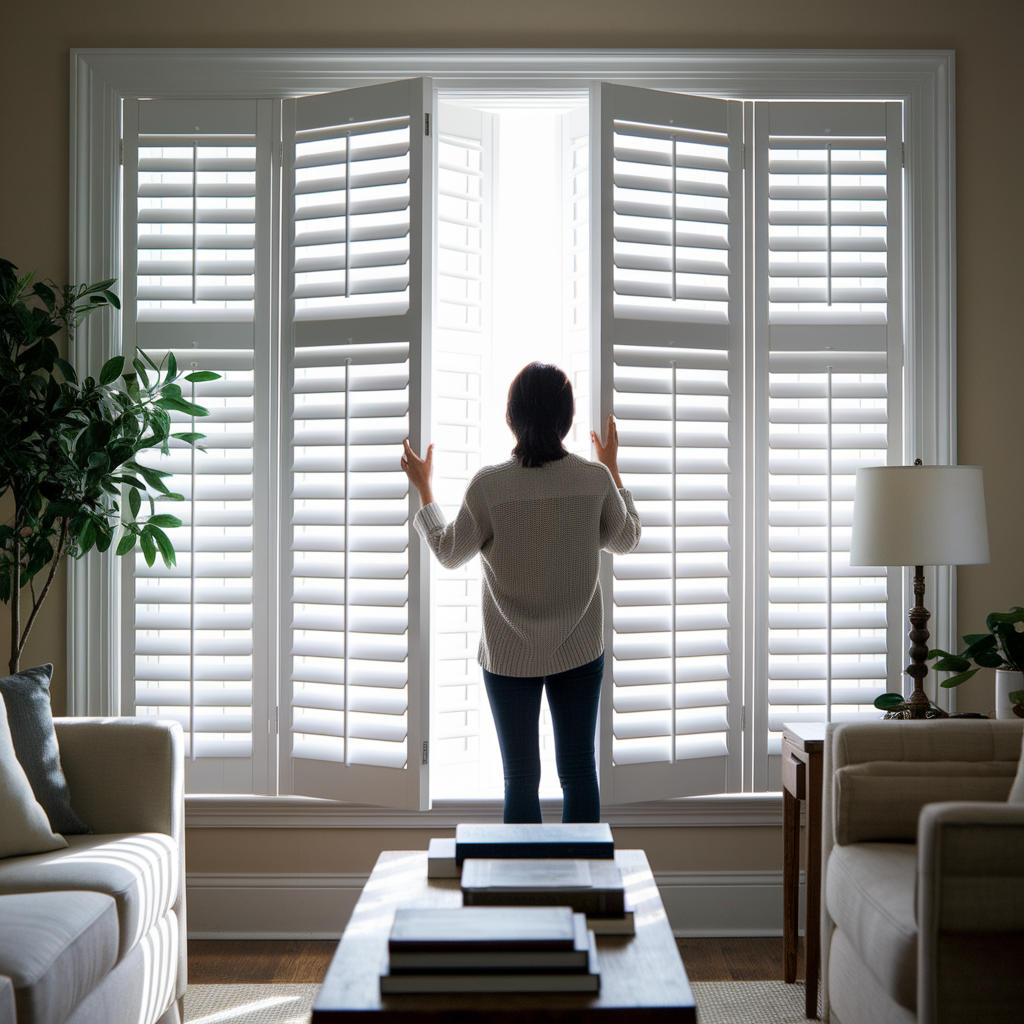
 Window treatments, including curtains, blinds, shutters, and shades, are essential elements in the design and function of our homes. Not only do they enhance the aesthetic appeal of a space, but they also serve important practical purposes such as controlling light, ensuring privacy, and providing insulation. The evolution of window treatments is rich in history and has been influenced by cultural, technological, and social factors. In this blog, we’ll take a journey through time to explore the history of window treatments—from their humble beginnings to the diverse and innovative designs we have today. 1. Early Beginnings: Simple Coverings and Functional Necessities In ancient civilizations, window coverings were primarily functional, serving as shields against the elements and providing privacy. Early window treatments were simple cloths, leather, or animal hides that could be hung over windows or doorways. These rudimentary coverings were often used to keep the cold out and provide warmth, particularly in the harsh winters of ancient Europe and the Middle East. Ancient Egypt and Mesopotamia In ancient Egypt and Mesopotamia, window coverings were made from woven reeds or fabric. These early treatments were likely used for privacy and to block out the hot sun while allowing for ventilation. Egyptians also employed decorative textiles as window coverings, often using linen or wool in intricate patterns or dyes. Ancient Greece and Rome The ancient Greeks and Romans made more elaborate window coverings, particularly in homes of the wealthy. They used curtains made from woven fabrics, often hanging them from rods or poles to cover doors and windows. These early curtains were often simple and utilitarian, but they signified an emerging interest in both function and form. 2. The Middle Ages: The Rise of Privacy and Decoration During the Middle Ages, window coverings began to serve more decorative purposes in addition to their functional role. As glass windows became more common in wealthy homes and churches, window coverings evolved into a symbol of status and luxury. Curtains and draperies were made from rich materials like velvet, brocade, and silk, often embroidered with intricate patterns. Gothic and Renaissance Periods In the Gothic and Renaissance periods, wealthier homes began using luxurious textiles like velvet, damask, and tapestry for their window coverings. These opulent materials were used not only for privacy but also for warmth, as they helped insulate rooms. Large, elaborate curtains or drapes with rich textures and intricate designs became more popular in royal palaces and aristocratic homes. At this time, curtains were used to decorate not just windows, but also walls, with the introduction of heavy drapery in both residential and institutional settings. The practice of hanging fabric to frame windows became widely popular, with some curtains even having multiple layers of fabric for added opulence. 3. The 17th and 18th Centuries: The Rise of Fashionable Window Treatments By the 17th and 18th centuries, window treatments became a significant part of interior decor. As the middle class began to rise, there was an increased desire for fashionable home furnishings, and curtains became an essential part of a well-decorated room. This period saw the introduction of new window treatment styles that were both functional and aesthetically pleasing. Baroque and Rococo During the Baroque and Rococo periods, window treatments became even more elaborate, with the introduction of pleated and swagged curtains, often featuring intricate tassels, fringes, and tiebacks. These treatments were designed to enhance the grandeur of palaces, churches, and aristocratic homes. The use of luxurious fabrics such as silk and satin, along with ornate detailing, marked this period as one of high opulence. The Development of Shutters As glass windows became more widespread, shutters started to gain popularity. In France and England, shutters were used not only for protection from the elements but also as a way to regulate light and air flow. By the 18th century, wooden shutters became common in homes, providing privacy and insulation, while allowing people to control the amount of natural light entering their homes. 4. The 19th Century: Industrial Revolution and Mass Production The Industrial Revolution in the 19th century drastically changed the way window treatments were made and used. With the advent of mass production, window coverings became more affordable and accessible to the growing middle class. During this time, a variety of new materials and styles were introduced, making window treatments available to a wider range of people. The Advent of Venetian Blinds One of the most notable innovations in the 19th century was the development of Venetian blinds. First introduced in Italy in the 18th century, Venetian blinds became popular in the 19th century due to their functionality and versatility. Made of horizontal slats of wood, metal, or plastic, Venetian blinds allowed homeowners to control the amount of light entering their homes while maintaining privacy. Venetian blinds quickly became a staple in urban homes, as they were easy to operate and could be adjusted to suit different light levels. These blinds were especially popular in cities with rising populations and dense urban environments, where privacy and light control were essential. The Rise of Lace Curtains In the late 19th century, lace curtains became increasingly popular, especially in more modest homes. These delicate, lightweight curtains added an element of charm and elegance while still allowing natural light to enter. Lace curtains became a staple in parlors and dining rooms, providing a soft, decorative look without sacrificing functionality. 5. The 20th Century: Modernization and the Birth of New Styles The 20th century saw the explosion of new design trends, technological advances, and innovations in window treatment styles. The rise of modern architecture and interior design influenced the development of new types of window coverings that prioritized both function and minimalism. The Introduction of Roller Blinds and Shades In the early 20th century, roller blinds and shades were introduced as an alternative to traditional curtains. These window treatments offered a streamlined, modern look and were often made from fabric or vinyl. Roller blinds became popular in both residential and commercial spaces due to their ease of use and versatility. They also allowed homeowners to control light while maintaining a clean, simple aesthetic. The Rise of Modern Shutters In the 1920s and 1930s, shutters began to experience a revival in more contemporary forms. Louvered shutters, which featured adjustable slats, became particularly popular in mid-century modern homes. These shutters offered a sleek, clean design and were often made from lightweight materials like aluminum or vinyl. Shutters also became a key element in the design of homes in warmer climates, where they provided insulation and controlled ventilation. 6. The 21st Century: Innovation and Smart Technology Today, window treatments are as diverse as ever, and new innovations in materials, design, and technology continue to shape the market. The 21st century has brought about the rise of eco-friendly materials, motorized and smart window treatments, and an increasing focus on sustainability and energy efficiency. Motorized and Smart Blinds In recent years, motorized blinds and smart window treatments have become increasingly popular. These systems allow homeowners to control their blinds remotely, whether via an app, voice command, or automated schedules. Motorized blinds offer unparalleled convenience, especially for hard-to-reach windows or large windows. Smart blinds can also be integrated with home automation systems, adjusting themselves based on the time of day, sunlight levels, or room temperature. These modern innovations not only add convenience but also promote energy efficiency, as they help regulate a home’s temperature by controlling the amount of sunlight entering a room. Eco-Friendly and Sustainable Materials As sustainability becomes a priority for many homeowners, eco-friendly window treatments have gained traction. Manufacturers are now offering window coverings made from sustainable materials such as bamboo, organic cotton, and recycled fabrics. These materials not only contribute to a more eco-conscious lifestyle but also offer the same benefits of traditional window treatments, including light control and insulation. Conclusion: The Timeless Appeal of Window Treatments From simple fabric coverings in ancient civilizations to today’s high-tech, energy-efficient blinds, the history of window treatments reflects the changing needs and desires of homeowners over time. Whether driven by practicality, aesthetics, or technological innovation, window treatments have always played a key role in shaping the atmosphere and functionality of our homes. As we look to the future, window treatments will undoubtedly continue to evolve, incorporating new materials, designs, and technologies. Yet, one thing will remain constant: the desire for beautiful, functional, and effective window coverings that enhance the comfort and style of our living spaces.
Related Articles
- Address: 1178 Uxbridge Road, Hayes,
London, UB4 8JB - Email: info@crystalinteriors.uk
- Email: contact@crystalinteriors.uk
- Phone: (+44) 020 8127 6696
- Phone: (+44) 078 3239 773
Search our site